
Introduction
The good news is that with the right approach combining medical treatment, lifestyle changes, and proper aftercare, you can heal significantly faster and reduce the risk of recurrence. In this blog, 6 Simple Steps to Heal Anal Fistula Faster in 2026, Dr. Trisha Rai, Noida’s trusted female proctologist, shares simple but highly effective steps to support faster healing.
An anal fistula is one of the most uncomfortable and persistent anorectal conditions a person can experience. It is a small tunnel that forms between the inside of the anus and the skin around it, usually as a result of an infection that has not healed properly. Left untreated, it can cause chronic pain, recurring discharge, and significant disruption to daily life.
What is an anal fistula?
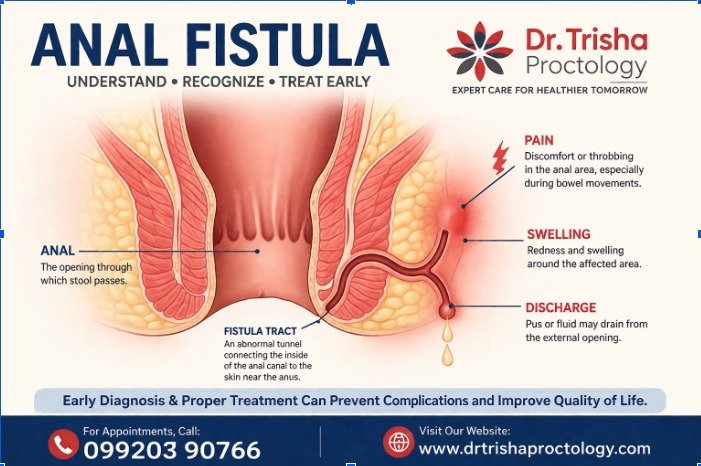
An anal fistula is an abnormal tunnel-like passage that connects the anal canal to the skin surrounding the anus. It typically develops after an anal abscess, a painful collection of pus that either bursts on its own or is surgically drained but does not heal completely from the inside.
Common symptoms include persistent pain around the anus, discharge of pus or blood-stained fluid, swelling, redness, and recurring infections. Fistulas do not heal on their own and almost always require medical intervention.
Step 1: Seek Specialist Medical Treatment Without Delay
The most important step in healing anal fistula faster is to consult a proctologist as early as possible. Many patients make the mistake of ignoring symptoms or trying home remedies for months before seeking professional help. This delay allows the fistula tract to deepen and branch, making treatment more complex.
In 2026, advanced options like laser fistula treatment and VAAFT (Video Assisted Anal Fistula Treatment) offer minimally invasive solutions with faster healing times compared to traditional open surgery. Dr. Trisha Rai uses the latest techniques to ensure precise treatment with minimal damage to surrounding tissue.
Early intervention means a simpler procedure, shorter recovery, and a much lower chance of the fistula returning.
Step 2: Follow a High-Fibre Diet
Diet plays a crucial role in fistula recovery. Hard stools and constipation put excessive pressure on the anal area, aggravating the fistula and slowing the healing process. A high-fiber diet helps soften stools, making bowel movements easier and less painful.
Include the following in your daily diet:
- Fresh fruits such as papaya, guava, and pears
- Green leafy vegetables like spinach and methi
- Whole grains such as oats, brown rice, and whole wheat
- Legumes including lentils, rajma, and chickpeas
- Flaxseeds and psyllium husk (isabgol)
Aim for at least 25-30 grams of fiber per day. Avoid spicy food, processed food, red meat, and alcohol, as these can trigger inflammation and worsen symptoms.
Step 3: Stay Well Hydrated
Hydration is often overlooked but is equally important as diet in fistula recovery. Drinking adequate water keeps stools soft, reduces straining, and supports the body’s natural healing process.
Aim to drink at least 8-10 glasses of water per day. Coconut water, buttermilk, and fresh fruit juices are also excellent additions. Avoid caffeinated beverages and alcohol, as they dehydrate the body and can slow tissue repair.
Step 4: Practice Sitz Baths Regularly
A sitz bath is one of the most effective home care practices for anal fistula recovery. It involves sitting in warm water for 15–20 minutes, 2–3 times a day, especially after bowel movements.
Sitz baths provide the following benefits:
- Reduce pain, swelling, and inflammation around the fistula opening
- Keep the area clean and free from bacterial buildup
- Promote blood circulation to speed up tissue healing
- Provide immediate comfort and relief from discomfort
You can add a small amount of povidone-iodine or rock salt to the warm water for additional antiseptic benefits. Always pat the area dry gently with a soft cloth after the sitz bath.
Step 5: Maintain Strict Wound Hygiene
Keeping the anal area clean is non-negotiable during fistula recovery. Poor hygiene leads to secondary infections, which significantly delay healing and can worsen the fistula tract.
Follow these hygiene practices daily:
- Clean the anal area gently with water after every bowel movement
- Avoid using harsh soaps, scented wipes, or rough toilet paper
- Change wound dressings regularly if advised by your doctor
- Wear loose, breathable cotton underwear to prevent moisture buildup
- Avoid sitting on hard surfaces for prolonged periods
If you notice increased redness, swelling, warmth, or discharge with a foul smell, contact Dr. Trisha Rai immediately, as these may be signs of a secondary infection.
Step 6: Attend All Follow-Up Appointments
Many patients feel better after their procedure and stop attending follow-up appointments. This is a serious mistake. Regular follow-ups with your proctologist are essential to monitor healing, detect any complications early, and ensure the fistula tract has closed completely.
Dr. Trisha Rai schedules structured follow-up appointments after every fistula procedure to do the following:
- Assess wound healing progress
- Adjust medications or dressings if needed
- Provide dietary and lifestyle guidance specific to your recovery stage
- Confirm complete closure of the fistula tract before discharging the patient
Missing follow-ups can lead to incomplete healing, recurrence, or development of a new fistula tract.
When to See a Doctor Immediately
Contact Dr. Trisha Rai or visit the clinic urgently if you experience:
- Sudden increase in pain or swelling
- High fever with chills
- Excessive bleeding from the fistula opening
- Complete stoppage of discharge followed by sudden severe pain (may indicate abscess formation)
- No improvement after 2-3 weeks of conservative management
FAQ:
Q: Can anal fistula heal on its own without treatment?
A: No. Anal fistulas very rarely heal on their own. Without proper treatment, they tend to worsen over time, develop branches, and cause recurring infections. Medical or surgical intervention is almost always required.
Q: Is laser treatment better than traditional surgery for fistulas?
A: Yes, in most cases. Laser fistula treatment is minimally invasive, preserves the sphincter muscle, causes less pain, and has a faster recovery time compared to traditional open fistulotomy.
Q: How long does it take to recover from fistula laser treatment?
A: Most patients recover within 1-3 weeks after laser fistula treatment. Complete internal healing may take 4–6 weeks depending on the complexity of the fistula.
Q: Can fistula come back after treatment?
A: Recurrence is possible, particularly in complex or high fistulas. Following post-treatment guidelines, maintaining a healthy diet, and attending all follow-ups significantly reduces the risk of recurrence.
Q: Is anal fistula treatment painful?
A: The procedure is performed under anesthesia, so there is no pain during the surgery. Post-procedure discomfort is manageable with prescribed pain relief medications.
Q: What foods should I avoid during fistula recovery?
A: Avoid spicy food, alcohol, red meat, processed food, and anything that causes constipation or loose stools during your recovery period.
Q: Can I go to work after fistula laser treatment?
A: Most patients can return to desk work within 2-3 days after laser fistula treatment. Heavy physical work should be avoided for at least 2 weeks.