
Get safe, advanced, and painless laser piles treatment in sector 41 Noida from an experienced proctology specialist, Dr. Trisha. We provide modern laser treatment with quick recovery and personalized patient care.
If you are suffering from pain, bleeding, or discomfort due to piles, consult a trusted piles specialist in Noida today. Our clinic offers advanced diagnosis and effective treatment options designed to provide long-term relief and a comfortable recovery experience.
If you are suffering from pain, bleeding, or discomfort due to piles, getting the right treatment from an experienced specialist is essential. Our clinic offers the best piles treatment in Sector 41 Noida using modern diagnostic methods and advanced laser technology for faster recovery and minimal discomfort
Piles, also known as hemorrhoids, are swollen veins in the rectal or anal area that can cause pain, itching, bleeding, and discomfort during bowel movements. Piles can affect people of all ages and may develop due to several factors such as constipation, prolonged sitting, obesity, or pregnancy.
Early diagnosis and treatment by a piles specialist in Sector 41, Noida, can help prevent complications and provide quick relief from symptoms.
Piles, also known as hemorrhoids, can develop either inside the rectum or around the anus. The condition is usually classified into different types depending on the location and severity of the swollen veins. Understanding the types of piles helps doctors determine the most suitable treatment for each patient.
Internal piles develop inside the rectum and are usually not visible from the outside. In the early stages, they may not cause significant pain because the rectum has fewer pain-sensitive nerves. However, patients may notice bleeding during bowel movements.
Internal piles can sometimes protrude outside the anus during bowel movements, depending on the stage of the condition.
External piles develop under the skin around the anus and can cause noticeable discomfort. This type of piles may lead to swelling, irritation, and pain in the anal area.
External piles are usually more painful because the area around the anus contains many sensitive nerves.
Prolapsed piles occur when internal piles become enlarged and start protruding outside the anus. In the early stage, they may go back inside on their own, but in more severe cases, they may need to be pushed back manually.
Thrombosed piles occur when a blood clot forms inside an external hemorrhoid. This condition can cause severe pain and swelling in the anal area.
Thrombosed piles usually require immediate medical attention to relieve pain and prevent complications.
If you notice any of the following symptoms, you should consult a piles doctor in Sector 41 Noida immediately:
Ignoring these symptoms may worsen the condition, so early treatment is highly recommended.
Piles develop when the veins in the lower rectum or anal area become swollen due to increased pressure. Several lifestyle and health factors can contribute to this condition. Understanding the causes can help in preventing piles and seeking treatment at the right time.
Consulting a specialist early can help identify the underlying cause and ensure proper piles treatment in Sector 41 Noida.
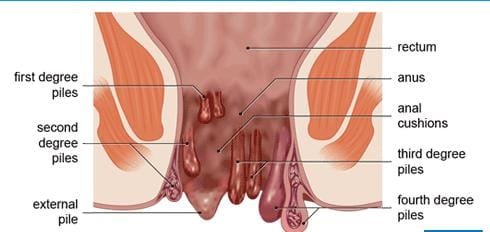
Piles are commonly classified into different grades based on their severity. Proper diagnosis helps determine the most suitable treatment approach.
Grade 1 piles are the mildest form. The swollen veins are inside the anal canal and usually cause slight discomfort or bleeding during bowel movements but do not protrude outside the anus.
In Grade 2 piles, the swollen veins may come out during bowel movements but return inside the anus on their own. Patients may experience bleeding, itching, or mild discomfort.
Grade 3 piles protrude outside the anus during bowel movements and need to be pushed back manually. These piles can cause pain, irritation, and swelling.
Grade 4 piles are the most severe form and remain outside the anus permanently. They can cause significant discomfort, swelling, and pain, and usually require medical treatment.
Early consultation with a piles specialist in Sector 41 Noida can help diagnose the grade of piles and recommend the right treatment plan.
In addition to piles treatment, our clinic provides comprehensive care for several anorectal conditions.
Laser technology helps patients return to their normal routine quickly with minimal discomfort.
Choosing the right doctor plays a crucial role in successful treatment and recovery. Our clinic is trusted by many patients for safe and effective proctology treatments.
Our goal is to ensure that every patient receives the best piles treatment in Sector 41 Noida with complete comfort and care.
These simple steps can help reduce the risk of developing piles.
Take the first step toward expert diagnosis and personalised treatment with Dr. Trisha Rai, a trusted female proctology specialist. Her expertise ensures accurate assessment and the most effective treatment plan for piles and other anorectal conditions, helping patients recover with comfort and confidence.
Everything you need to know before starting your treatment journey.
Laser treatment is considered one of the safest and most effective procedures for piles with minimal pain and faster recovery.
Modern laser piles treatment is minimally invasive and causes very little pain.
Mild piles can improve with diet changes, proper hydration, and lifestyle modifications. However, severe cases may require medical treatment.
Most laser procedures take around 30–45 minutes and patients can go home the same day.
Avoid:
Modern Anorectal & General Surgery You Can Trust. With expertise in advanced laser-assisted procedures, Dr. Trisha focuses on minimally invasive care.
Copyright 2026. All Rights Reserved. Developed by Wand Weaver.
Copyright 2026. All Rights Reserved.
Developed by Wand Weaver.
WhatsApp us